The Importance of Lighting in Theater Productions
The magic of theater lies not just in the script or the performances, but also in the atmosphere created by lighting. Lighting plays a crucial role in shaping the audience's experience, guiding their emotions, and enhancing the storytelling. In this blog post, we will explore the significance of lighting in theater productions, its various functions, and how it can transform a simple stage into a captivating world.

Understanding the Role of Lighting in Theater
Lighting in theater serves multiple purposes. It is not merely about visibility; it is an art form that can evoke emotions, highlight performances, and create an immersive environment. Here are some key functions of lighting in theater:
1. Visibility
The primary function of lighting is to ensure that the audience can see the performers and the set clearly. Without adequate lighting, even the most talented actors and intricate sets can go unnoticed. Proper illumination allows the audience to focus on the action and engage with the story.
2. Mood and Atmosphere
Lighting sets the mood for a scene. Different colors and intensities can evoke various emotions. For instance, a warm, soft light can create a romantic atmosphere, while harsh, cold lighting can convey tension or fear. By manipulating light, designers can enhance the emotional impact of a scene.
3. Focus and Attention
Lighting can direct the audience's attention to specific areas of the stage. By spotlighting a character or an important action, lighting designers can guide the viewers' gaze, ensuring they do not miss critical moments. This technique is essential in storytelling, as it helps emphasize key plot points.
4. Time and Place
Lighting can also indicate the time of day or the setting of a scene. A bright, sunny light can suggest daytime, while dim, blue lighting can evoke nighttime. This aspect of lighting helps to establish context and immerse the audience in the narrative.
5. Symbolism and Themes
Lighting can be used symbolically to reinforce themes or character arcs. For example, a character undergoing a transformation might be bathed in light during their moment of change, while darker lighting could signify their struggles. This use of light adds depth to the storytelling.
The Elements of Lighting Design
Lighting design is a complex process that involves various elements. Understanding these components can help appreciate the artistry behind theater lighting.
1. Types of Lights
Different types of lights serve different purposes in a production. Here are some common types:
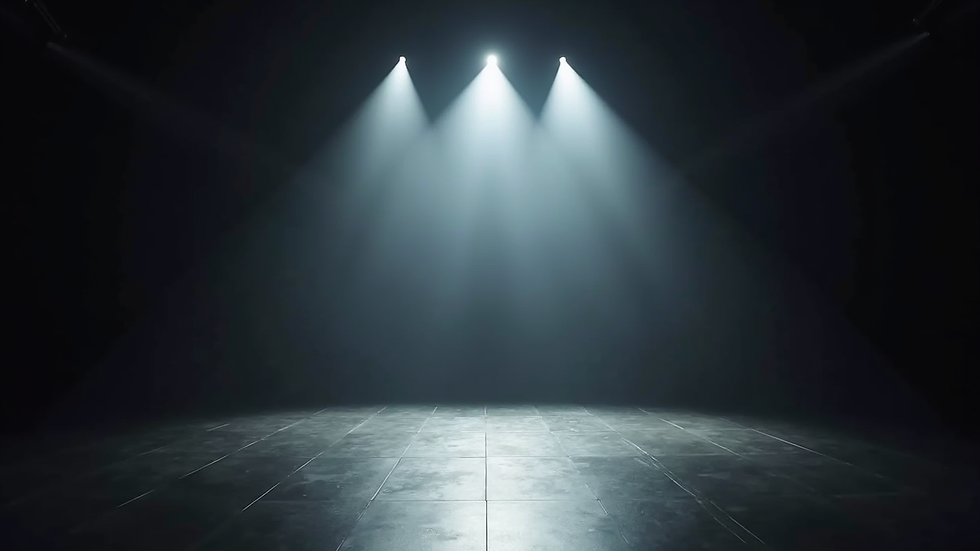
Spotlights: Used to focus on a specific actor or area.
Floodlights: Provide broad illumination for larger areas.
LEDs: Versatile and energy-efficient, often used for color washes.
Ellipsoidal Reflector Spotlights (ERS): Known for their sharp focus and versatility.
2. Color
Color is a powerful tool in lighting design. Designers use gels or filters to change the color of the light, creating different moods and effects. For example, red can evoke passion or anger, while blue can suggest calmness or sadness.
3. Intensity
The intensity of light affects how it is perceived. Bright lights can create excitement, while dim lights can evoke intimacy or suspense. Designers carefully adjust the intensity to match the emotional tone of each scene.
4. Angle and Position
The angle and position of lights can dramatically alter the appearance of actors and sets. Front lighting can flatten features, while side lighting can create depth and texture. Designers must consider these factors to achieve the desired visual effects.
5. Movement
Dynamic lighting can enhance a production by adding movement and energy. Moving lights can create exciting effects, such as sweeping across the stage or changing colors in real-time. This element of surprise keeps the audience engaged.
The Process of Lighting Design
Creating a lighting design for a theater production is a collaborative and iterative process. Here’s a breakdown of the typical steps involved:
1. Concept Development
The lighting designer collaborates with the director and other creative team members to understand the vision for the production. This includes discussing themes, moods, and specific moments that require emphasis.
2. Script Analysis
The designer reviews the script to identify key scenes and emotional beats. This analysis helps determine where lighting will play a significant role in storytelling.
3. Design Drafts
Using sketches or digital tools, the designer creates initial drafts of the lighting plan. This includes specifying the types of lights, their positions, and the colors to be used.
4. Rehearsals
During rehearsals, the designer works closely with the director and actors to refine the lighting. Adjustments are made based on how the lighting interacts with performances and set changes.
5. Finalization
Once the design is finalized, the lighting team sets up the equipment and conducts technical rehearsals. This stage ensures that everything functions correctly and that the lighting enhances the overall production.
Case Studies: Successful Lighting Designs
To illustrate the impact of lighting in theater, let’s look at a few notable productions that effectively utilized lighting design.
1. "The Phantom of the Opera"
In Andrew Lloyd Webber's iconic musical, lighting plays a crucial role in creating the haunting atmosphere of the Paris Opera House. The use of dramatic spotlights and shadowy effects enhances the mystery surrounding the Phantom, drawing the audience into the story's emotional depths.
2. "Hamilton"
The lighting design in Lin-Manuel Miranda's "Hamilton" is innovative and dynamic. The use of warm tones during intimate moments contrasts with cooler colors during more intense scenes, effectively conveying the characters' emotional journeys. The lighting also helps to establish the historical context, making the story feel both timeless and relevant.
3. "Wicked"
In "Wicked," the lighting design is integral to the storytelling. The vibrant colors used during musical numbers create a sense of wonder, while darker tones during more serious moments emphasize the characters' struggles. The clever use of lighting effects, such as the "Emerald City" scene, captivates the audience and enhances the magical experience.
Challenges in Lighting Design
While lighting design is a vital aspect of theater, it comes with its own set of challenges. Here are some common issues lighting designers face:
1. Budget Constraints
The cost of lighting equipment and technology can be significant. Designers must often work within tight budgets, requiring creativity and resourcefulness to achieve the desired effects without overspending.
2. Technical Limitations
Not all theaters are equipped with the latest lighting technology. Designers may need to adapt their plans based on the available equipment, which can limit their creative options.
3. Collaboration
Lighting designers must collaborate effectively with directors, set designers, and other team members. Miscommunication can lead to misunderstandings about the vision for the production, resulting in a less cohesive final product.
4. Time Constraints
The rehearsal period is often limited, leaving little time for experimentation and adjustments. Designers must be efficient in their work to ensure that the lighting enhances the production without causing delays.
The Future of Lighting in Theater
As technology continues to evolve, the future of lighting in theater looks promising. Here are some trends to watch:
1. LED Technology
LED lights are becoming increasingly popular due to their energy efficiency and versatility. They offer a wide range of colors and can be easily programmed for dynamic effects, making them ideal for modern productions.
2. Automation
Automated lighting systems allow for precise control over lighting effects. This technology enables designers to create complex lighting sequences that can change in real-time, enhancing the overall experience for the audience.
3. Integration with Multimedia
As theater productions incorporate more multimedia elements, lighting design will continue to evolve. The integration of video projections and lighting can create immersive environments that blur the lines between reality and fantasy.
4. Sustainability
With a growing emphasis on sustainability, lighting designers are exploring eco-friendly options. This includes using energy-efficient lighting and minimizing waste during productions.
Conclusion
Lighting is an essential component of theater productions that goes beyond mere visibility. It shapes the audience's experience, enhances storytelling, and creates emotional connections. As technology advances, the possibilities for lighting design continue to expand, offering exciting opportunities for creativity and innovation.
The next time you attend a theater performance, take a moment to appreciate the intricate lighting design that contributes to the magic of the stage. Whether it’s setting the mood, guiding your attention, or symbolizing deeper themes, lighting is a powerful tool that brings stories to life.

Comments