Enhance Your Production with Expert Lighting Design
Lighting design is often the unsung hero of any production, whether it be in film, theater, or live events. The right lighting can transform a scene, evoke emotions, and guide the audience's attention. In this blog post, we will explore how expert lighting design can enhance your production, providing practical tips and insights to elevate your work.
The Importance of Lighting in Production
Lighting is not just about visibility; it plays a crucial role in storytelling. Here are some key reasons why lighting is essential:
Sets the Mood: Different lighting techniques can create various atmospheres. For example, soft, warm lighting can evoke feelings of comfort, while harsh, cold lighting can create tension.
Directs Attention: Strategic lighting can guide the audience's focus to specific areas or characters, ensuring that they don’t miss critical moments.
Enhances Visuals: Good lighting can make even the simplest scenes visually stunning, adding depth and dimension to the visuals.
Types of Lighting Techniques
Understanding different lighting techniques is vital for any production. Here are some common methods:
Key Lighting
Key lighting is the primary source of light in a scene. It creates the overall look and feel. For instance, in a dramatic scene, a strong key light can cast deep shadows, enhancing the tension.
Fill Lighting
Fill lighting is used to soften the shadows created by the key light. It helps to balance the overall lighting and ensures that details are visible without losing the dramatic effect.
Backlighting
Backlighting involves placing a light source behind the subject. This technique creates a silhouette effect, adding depth and intrigue to the scene. It can also highlight the subject's outline, making them stand out against the background.
Ambient Lighting
Ambient lighting provides a general illumination that fills the space. It sets the overall tone and can be adjusted to create a specific atmosphere. For example, dimming ambient lights can create a more intimate setting.
Practical Tips for Effective Lighting Design
To make the most of your lighting design, consider the following tips:
Plan Ahead
Before starting your production, create a lighting plan. This should include:
Scene Breakdown: Identify the lighting needs for each scene.
Equipment List: Make a list of the lights and equipment you will need.
Test Runs: Conduct test runs to see how the lighting looks on camera or stage.
Use Natural Light
Whenever possible, incorporate natural light into your production. It can create a more authentic feel and reduce the need for extensive artificial lighting. For example, shooting during the golden hour can provide beautiful, soft lighting.
Experiment with Colors
Color can significantly impact the mood of a scene. Use colored gels or filters to change the color of your lights. For instance, blue lighting can create a cold, eerie atmosphere, while warm colors can evoke feelings of warmth and comfort.
Consider the Audience
Always keep your audience in mind. Think about how they will perceive the lighting and how it will affect their experience. For example, overly bright lights can be uncomfortable, while dim lighting can create a sense of intimacy.
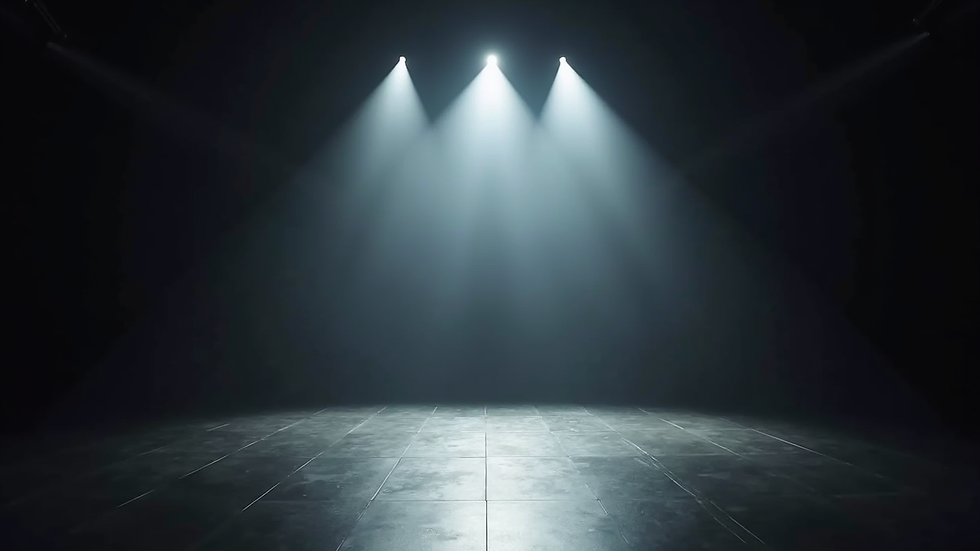
Case Studies: Successful Lighting Design in Productions
Film: "Blade Runner 2049"
In "Blade Runner 2049," the lighting design plays a pivotal role in establishing the film's dystopian atmosphere. The use of neon lights and shadows creates a sense of unease and tension, perfectly complementing the film's themes.
Theater: "The Lion King"
The lighting design in "The Lion King" is a masterclass in storytelling. The use of vibrant colors and dynamic lighting changes helps to convey the emotions of the characters and the setting, immersing the audience in the story.
Live Events: Concerts
In live concerts, lighting design is crucial for creating an engaging experience. For example, the use of synchronized lighting with music can elevate the performance, making it more memorable for the audience.
Common Mistakes to Avoid in Lighting Design
While lighting can enhance your production, there are common pitfalls to avoid:
Overlighting
Using too many lights can wash out the scene and eliminate shadows, making it look flat. Aim for a balance that enhances the visuals without overwhelming them.
Ignoring the Environment
Always consider the environment where you are shooting or performing. Natural light, reflections, and surrounding colors can all impact how your lighting appears.
Lack of Flexibility
Be prepared to adjust your lighting on the fly. Conditions can change, and being adaptable will help you achieve the best results.
Conclusion: Elevate Your Production with Expert Lighting Design
Expert lighting design is a powerful tool that can significantly enhance your production. By understanding the importance of lighting, experimenting with different techniques, and learning from successful case studies, you can create visually stunning and emotionally impactful work.
As you embark on your next project, remember to plan ahead, consider your audience, and embrace the transformative power of light. With the right approach, you can elevate your production to new heights.


Comments