Innovative Theatrical Lighting Design Tips and Tricks
The world of theatrical lighting design is a captivating blend of art and technology. It has the power to transform a simple stage into a breathtaking visual experience. Whether you are a seasoned professional or a budding designer, there are always new techniques and ideas to explore. In this post, we will delve into innovative tips and tricks that can elevate your lighting design to the next level.

Understanding the Basics of Theatrical Lighting
Before diving into advanced techniques, it’s essential to grasp the fundamentals of theatrical lighting. Here are some key elements to consider:
Types of Lighting Fixtures
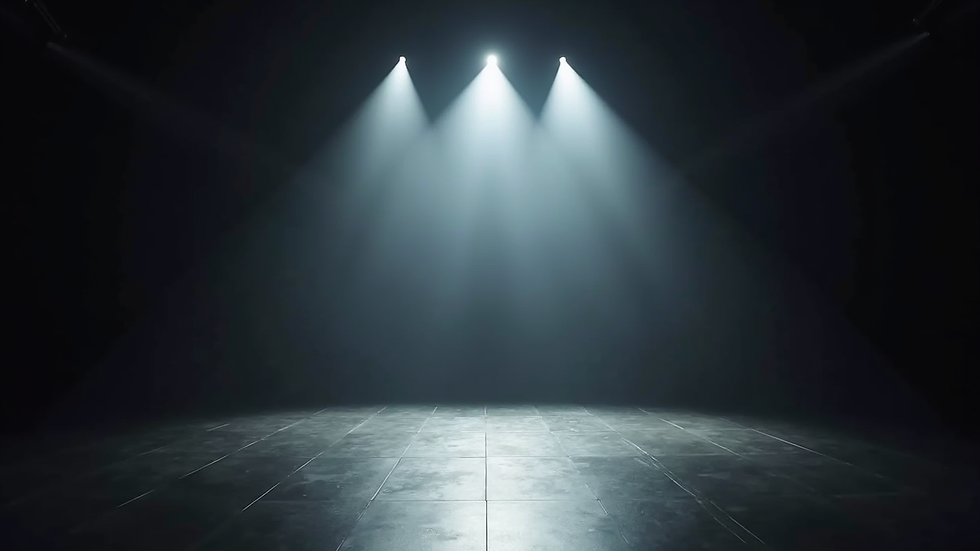
Spotlights: These are used to highlight specific areas or performers on stage. They create a focused beam of light that draws the audience's attention.
Floodlights: These provide a broad wash of light, ideal for illuminating large areas or creating a general ambiance.
LED Lights: Known for their versatility and energy efficiency, LED lights can produce a wide range of colors and effects.
Color Theory in Lighting
Understanding color theory is crucial for effective lighting design. Colors can evoke emotions and set the mood for a performance. Here are some basic associations:
Red: Passion, intensity, and urgency
Blue: Calmness, sadness, and tranquility
Green: Nature, growth, and renewal
Yellow: Happiness, energy, and warmth
Lighting Angles and Placement
The angle at which you place your lights can dramatically affect the look of your production. Experiment with different angles to create shadows and highlights that enhance the performance. Common angles include:
Front Lighting: Illuminates the face of performers, reducing shadows.
Side Lighting: Adds depth and texture, creating dramatic effects.
Back Lighting: Silhouettes performers and creates a sense of mystery.
Innovative Techniques for Theatrical Lighting Design
Now that we have covered the basics, let’s explore some innovative techniques that can set your lighting design apart.
Layering Light
Layering light involves using multiple light sources to create depth and dimension. By combining different types of lights, you can achieve a more dynamic and visually appealing stage. Here’s how to do it:
Base Layer: Start with a general wash of light to set the mood.
Accent Layer: Add spotlights or colored lights to highlight specific elements.
Detail Layer: Use gobos or patterns to project textures and shapes onto the stage.
Utilizing Gobos
Gobos are templates placed in front of a light source to create patterns or images. They can add a unique touch to your lighting design. Consider using gobos to:
Create textures on walls or floors
Project images that relate to the theme of the performance
Enhance the storytelling by visually representing elements of the narrative
Dynamic Lighting Effects
Incorporating dynamic lighting effects can captivate your audience and enhance the overall experience. Here are some ideas:
Strobe Lights: Use sparingly to create excitement or simulate action.
Moving Lights: These fixtures can change direction and color, adding movement to your design.
Chase Sequences: Program lights to change in a sequence, creating a rhythm that matches the performance.
Incorporating Technology
Technology plays a significant role in modern theatrical lighting design. Here are some ways to integrate it into your work:
DMX Control Systems: These allow for precise control over multiple lighting fixtures, enabling complex programming and automation.
Projection Mapping: This technique uses projectors to display images or videos onto surfaces, creating immersive environments.
Smart Lighting: Consider using smart lights that can be controlled via apps or software for real-time adjustments during performances.
Practical Tips for Successful Lighting Design
To ensure your lighting design is effective and impactful, keep these practical tips in mind:
Collaborate with the Director
Communication with the director is vital. Understand their vision for the production and how lighting can enhance it. Regular meetings and discussions can lead to a more cohesive design.
Test Your Design
Before the final performance, conduct thorough tests of your lighting design. This allows you to make adjustments and ensure everything works as intended. Consider:
Timing of cues
Color balance
Visibility of performers
Stay Flexible
Live performances can be unpredictable. Be prepared to adapt your lighting design based on the performance dynamics. Flexibility can make a significant difference in the overall impact of the show.
Keep Learning
The world of theatrical lighting is ever-evolving. Stay updated on the latest trends, technologies, and techniques by attending workshops, reading industry publications, and networking with other professionals.
Conclusion
Innovative theatrical lighting design is about creativity, experimentation, and understanding the fundamentals. By layering light, utilizing gobos, incorporating technology, and collaborating with your team, you can create stunning visual experiences that resonate with your audience. Remember to stay flexible and keep learning, as the world of lighting design is full of possibilities.
Now, it’s time to take these tips and tricks and put them into practice. Whether you are working on a school play, a community theater production, or a professional show, your lighting design can make a lasting impression. Embrace the art of lighting and let your creativity shine!

Comments